Best Manual Jewellery Designing Course for Beginners: What to Look For institute.3djewelsindia.com

Choosing the right jewellery design course is an important first step for anyone who wants to turn creativity into a professional skill. While digital tools such as CAD software have become increasingly popular, manual jewellery design remains an essential foundation for understanding proportions, shapes, gemstones, ornamentation, and visual presentation.
For beginners, the challenge is choosing a course that offers the right mix of practical training, design fundamentals, rendering techniques, portfolio development, and career guidance. A good Course in Jewellery Manual Designing should help students progress from basic sketching to creating detailed jewellery concepts they can present professionally.
This guide explains what beginners should look for when comparing Manual Jewellery Designing Courses, including curriculum, practical training, instructor experience, portfolio development, and learning flexibility.
What Is Manual Jewellery Designing?
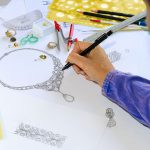
Manual jewellery designing is the process of creating jewellery concepts by hand using drawing, sketching, shading, colouring, and rendering techniques. Designers translate an idea into a visual representation that communicates the jewellery’s shape, details, materials, gemstones, and overall appearance.
Manual design also helps students understand fundamental concepts such as:
• Jewellery proportions and symmetry
• Design composition
• Gemstone placement
• Metal and surface representation
• Shading and highlighting
• Traditional and contemporary jewellery styles
• Jewellery rendering
• Design presentation
These fundamentals can provide a strong foundation before moving into digital jewellery design and CAD.
Why Should Beginners Learn Manual Jewellery Design?
Manual design teaches students to think like designers rather than operate software. Before creating a digital model, a designer needs to develop an idea, understand proportions, and clearly communicate the concept.
A structured course can help beginners develop:
Creative thinking: Students learn how to generate original jewellery concepts and adapt ideas to different styles.
Sketching skills: Regular practice improves the ability to represent rings, earrings, necklaces, bracelets, pendants, and other jewellery forms.
Rendering skills: Students learn how to visually represent gold, diamonds, gemstones, textures, highlights, and shadows.
Design understanding: Beginners become familiar with balance, proportion, symmetry, scale, and visual harmony.
Portfolio development: Completed projects can eventually become part of a professional design portfolio.
What Should a Beginner Look for in a Jewellery Design Course?
Not every course offers the same depth of training. Before enrolling, compare the curriculum and learning structure carefully.
1. A Comprehensive Curriculum
First, check what the course actually teaches. A beginner-friendly curriculum should move from fundamentals to more advanced design techniques, rather than assuming students already have drawing experience.
Look for topics such as:
• Basic jewellery sketching
• Design fundamentals
• Geometric and floral motifs
• Jewellery proportions
• Gemstone drawing
• Gold and metal rendering
• Shading techniques
• Jewellery colouring
• Product presentation
• Traditional jewellery designs
• Contemporary jewellery concepts
• Portfolio development
A structured progression allows students to build skills step by step.
2. Practical, Hands-On Training
Jewellery design is a practical discipline, so simply watching demonstrations may not be enough. Beginners should have opportunities to create their own designs and receive guidance as they work.
Ask whether the course includes practical assignments, design exercises, rendering practice, and portfolio projects.
Hands-on learning helps students understand how theoretical principles apply to real jewellery concepts.
3. Jewellery Rendering Techniques
Rendering is one of the most important skills in manual jewellery design. A good rendering should communicate how the finished piece may look, including its metal finish and gemstones.
Students should ideally learn how to represent:
• Yellow, white, and rose gold
• Diamonds
• Coloured gemstones
• Pearls
• Polished and textured surfaces
• Light and shadow
• Reflections
• Different gemstone cuts
Strong rendering skills can make a jewellery concept easier for manufacturers, clients, or other professionals to understand.
4. Exposure to Different Jewellery Styles
A useful beginner course should not restrict students to one design style. Jewellery designers may work with traditional, contemporary, bridal, fashion, or custom jewellery.
Exposure to different styles helps students understand how design requirements change with the target customer and jewellery category.
For example, bridal jewellery may require elaborate detailing and traditional motifs, while contemporary jewellery may focus on simplicity, geometric forms, or modern proportions.
5. Portfolio Development
A portfolio is an important part of a jewellery designer’s professional presentation. It demonstrates creativity, technical ability, versatility, and attention to detail.
When comparing a Course in Jewellery Manual Designing, check whether it includes portfolio development.
A beginner’s portfolio may contain:
• Rings
• Earrings
• Pendants
• Necklaces
• Bracelets
• Bridal jewellery
• Gemstone designs
• Traditional jewellery
• Contemporary concepts
• Rendered jewellery illustrations
Students should aim for quality and variety rather than filling a portfolio with many similar designs.
6. Experienced Instructors
The instructor can significantly impact the learning experience. Beginners benefit from trainers who understand jewellery design principles and can explain techniques clearly.
Before joining a course, consider checking:
• Instructor experience
• Jewellery industry exposure
• Student projects
• Course structure
• Practical training methodology
• Feedback and mentoring process
Personal feedback helps beginners spot mistakes in proportion, perspective, rendering, and composition.
7. Career-Oriented Learning
If the goal is professional employment or freelance work, the course should provide more than drawing practice.
Career-oriented Manual Jewellery Designing Courses may introduce students to professional presentation, portfolio preparation, industry expectations, and different career paths.
After developing sufficient skills, students may explore opportunities such as:
• Jewellery designer
• Jewellery design assistant
• Manual jewellery designer
• Jewellery illustrator
• Design trainee
• Freelance jewellery designer
• Jewellery design educator
Career opportunities can vary depending on skills, portfolio quality, experience, location, and employer requirements.
Is an Online Manual Jewellery Design Course Suitable for Beginners?
An Online Manual Jewellery Design Course can be useful for learners who need flexible schedules or cannot attend regular classroom sessions. However, beginners should review how the course delivers practical training.
Before choosing an online program, check whether it provides:
• Instructor-led demonstrations
• Practice assignments
• Personal feedback
• Recorded learning materials
• Portfolio projects
• Clear course modules
• Opportunities to ask questions
Manual jewellery design requires consistent practice, so learners should choose a format that allows them to receive meaningful feedback on their work.
For students who prefer classroom interaction, an offline course may provide more direct guidance and peer learning. The right format depends on the student’s schedule, learning preferences, and access to suitable training.
Manual Jewellery Design vs CAD: Do Beginners Need Both?
Manual design and CAD are complementary skills, not completely interchangeable.
Manual design focuses on developing concepts and communicating ideas through hand-drawn sketches and rendered illustrations. CAD focuses on creating accurate digital jewellery models that can be further developed for production and visualisation.
Many aspiring designers eventually learn both.
A beginner can start with manual design to understand jewellery fundamentals and later develop CAD skills to expand their technical capabilities. Learning both helps designers communicate concepts and understand how to develop them digitally.
How to Choose the Right Course: A Simple Checklist
Before enrolling, compare courses using the following checklist:
Factor What to Look For
Curriculum Fundamentals, sketching, rendering and jewellery design
Practical Training Regular assignments and hands-on projects
Rendering Gold, diamonds, gemstones and surface effects
Portfolio Guidance for creating professional design work
Trainers Experienced and knowledgeable instructors
Course Format Classroom or flexible online learning
Career Support Industry awareness and career guidance
Certification Clearly explained completion or certification process
Projects Variety of jewellery categories and design styles
Avoid choosing a course based only on its duration or certificate. The quality of practical training and the skills you develop are more important for building long-term design capability.
Who Can Join a Manual Jewellery Design Course?
Manual jewellery design can suit beginners, aspiring designers, jewellery professionals, students, artists, and creative individuals who want to develop jewellery-specific design skills.
Prior professional jewellery experience is not always necessary for a beginner-level program. However, students should be prepared to practise regularly and develop their drawing and observation skills.
Final Thoughts
Choosing among Manual Jewellery Designing Courses requires more than comparing course names or certificates. Beginners should examine the curriculum, practical assignments, rendering training, instructor expertise, portfolio development, and career-oriented learning opportunities.
Whether you choose classroom training or an Online Manual Jewellery Design Course, consistent practice is essential. A strong foundation in manual jewellery design can help you understand how ideas become visual jewellery concepts and provide useful skills for further development in CAD, rendering, and professional jewellery design.
For beginners considering formal training, focus on a course that combines fundamental design principles with practical work and professional presentation. The right learning environment can provide a structured starting point to develop your creativity and build a jewellery design portfolio.


Recent Stories

Property in Gurgaon: Projects, Flats & Prices realtyhunting.com
-
Property on SPR Southern Peripheral Road Gurgaon realtyhunting.com
-
Property in New Gurgaon (NH-8): Projects & Prices realtyhunting.com
-
Best Manual Jewellery Designing Course for Beginners: What to Look... institute.3djewelsindia.com
-
How to Build a Global Career in Fashion Design |... nifglobaljaipur.com